Would you love to have a straighter smile but don’t fancy the idea of wearing standard fixed braces for months or even years? The great news is that now you can straighten discreetly and nearly invisibly through the use of our Clear Braces invisible braces.
 Lots of people didn’t have the opportunity to have orthodontic treatment as children, but more are choosing to do so as adults, especially as there is an increasing emphasis on having a nice smile. In the past the only option would’ve been to have fixed braces, and even though these still have their place, modern clear removable braces can often be used to correct most orthodontic problems.
Clear Braces are completely metal free, and consists of very thin but strong clear plastic aligners that are custom-made to fit tightly over the teeth, gradually moving them into the correct positions. The system consists of three different stages, and each stage uses a slightly different type of aligner, gradually moving the teeth towards their new straighter positions.
Can Clear Braces Help Me?
All you need to do to find out is to make an appointment to pop in to Bromley Dental Practice and see Dr Zaki Bashir. This particular braces system can be very good at helping to close up or minimise gaps in between teeth, or for correcting overcrowded or protrusive teeth. If Dr Bashir doesn’t think the system is quite right for you, then he’ll definitely recommend an alternative course of treatment. Treatment with Clear Braces can take anywhere between six and 24 months to complete, depending on the complexity of the issues that need correcting. The system is very easy to use, as Dr Bashir will take impressions of your teeth that are used to fabricate the clear plastic splints. All you have to do is to make sure you wear these each day, only taking them out when you brush or floss, or whenever you eat or drink something. However if you have a special event to attend, then you can probably risk leaving them out for a few hours.
The use of clear aligners does make it super easy to get that straight smile you’ve always wanted, and there’s no need to worry about flossing around tricky wires and elastics, or to spend extra time cleaning your teeth. It’s very simple to make sure your teeth and gums remain healthy during treatment. You’ll need to pop in to our dental practice every so often so your dentist in Bromley can check that treatment is proceeding as expected, and so any small adjustments can be made as necessary. Clear Braces are designed for adults use, but can be useful anyone over the age of 14.
If you’re still sitting on the fence about having orthodontic treatment, then it’s worth remembering that it can improve your dental health. Do you currently struggle to floss in between overcrowded or tightly packed in teeth? Perhaps there are certain areas of your mouth that you can’t even clean properly? Adult orthodontics in Bromley could help change this, reducing your risk of tooth decay and gum disease.
Bromley Dental Practice
Zaki graduated from University of Bristol 1999 and has practiced in Kent since then. He is passionate about dentistry and providing the highest standard of care for patients, at the same time, he keeps himself at the cutting edge of modern dental techniques.
Follow Me:


 Getting Regular Check-ups for Your Dental Implants
 What Could CEREC Do For You?
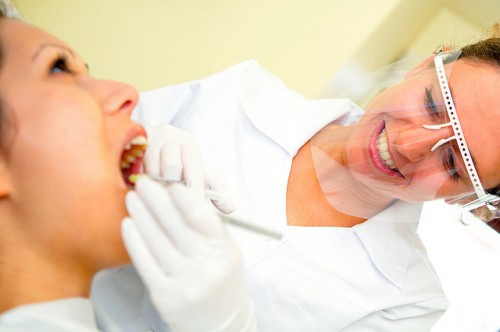
 Tooth enamel is the hard substance that normally protects the tooth. When it is damaged then bacteria in your mouth will be able to attack the much softer layer of dentine that is just underneath the tooth enamel. Eventually the bacteria will cause a cavity, and you may find you bite down one day only to feel the tooth crumble away. There is also a risk that the cavity might eventually reach the inner part of your tooth. The pulp lies right at the centre of the tooth and contains all the nerves and blood supply to the tooth. If the bacteria reaches the pulp then things can get pretty painful, and you will need to visit our
  This particular orthodontic system is called the
  Your mouth contains lots of different kinds of bacteria, and whenever you eat something or have a sugary drink then particles will remain on your teeth and gums. These are a great source of food for these bacteria, and as their numbers multiply they will create noxious odours. Small pieces of food can also become trapped in between the teeth and will gradually rot, causing unpleasant smells.
 Dental Implants Are Ideal for Anyone in Good Oral and General Health
 Why is Root Canal Treatment Necessary?
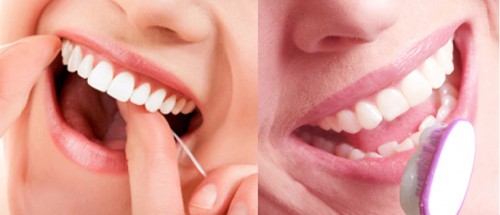 It’s far more serious if you allow it to progress without seeking treatment, as it can easily turn into periodontal disease or advanced gum disease. This not only affects the gums but also all the other tissues and structures supporting your teeth including the ligaments and even the bone around the teeth. In fact gum disease is the main reason for tooth loss in the world, and even worse it can affect your general health. This is because bleeding gums allow bacteria from the mouth to get into your bloodstream, and scientists have connected the presence of these bacteria to numerous other serious health conditions.