Zaki has undertaken postgraduate training programmes with some of the most distinguished dentists worldwide. He has trained with the Hornbrook Group, a centre of dental excellence based in the USA for the study of occlusion. Through this training he has developed his skills in combining excellence with long term stability.
Michel has placed well over 3000 implants over his 30+ year career in dentistry. Michel completed his postgraduate education at the University of Berne in Switzerland as well as UCLA California at a time when periodontology and implantology were developing quickly.
Benefits of Choosing Dental Implants
Choosing dental implants is an investment in your health, confidence, and well-being. They offer a host of benefits that far surpass other tooth replacement options:
- Preserves Jawbone: Implants are the only solution that stimulates the jawbone, halting bone density loss and protecting your facial structure.
- Unmatched Durability: With proper dental care, implants have a long life span and are a low maintenance, permanent solution.
- Superior Function: They restore full chewing power, allowing you to enjoy all your favourite foods without worry.
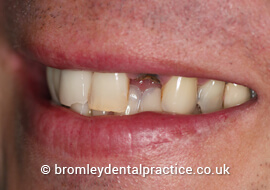
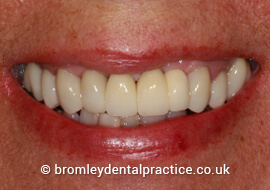
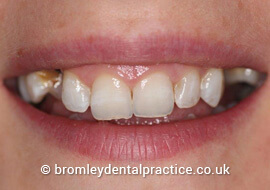
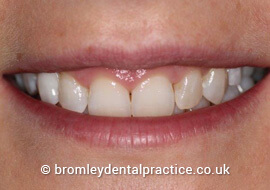
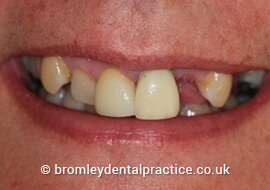
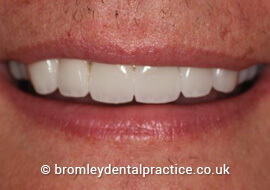
- Natural Aesthetics: Custom-made crowns blend flawlessly with your smile, making them indistinguishable from natural teeth.
- High Success Rate: Dental implants have a proven track record, with a success rate of over 95% in healthy individuals, according to studies published by the National Center for Biotechnology Information.
Your Comprehensive Dental Implant Journey in Bromley
The journey to a restored smile is a carefully planned process, leveraging advanced technology and clinical expertise to ensure the best possible outcome. Here’s a step-by-step look at what you can expect.
Step 1: The Initial Consultation & Bespoke Treatment Planning
This crucial first step involves a comprehensive Oral health exam to assess your teeth, gum tissue, and overall gum health. To get a complete picture, we use state-of-the-art Dental Technology. This allows your Implant Dentist to precisely evaluate your bone density and map out the ideal placement for the implant.
Based on this assessment, a personalised treatment plan is created. Top dental practices in Bromley develop custom treatment planning strategies that bring this life-changing technology to their patients, ensuring every aspect of your dental experience is tailored to your unique clinical and aesthetic needs.
Step 2: Preparing for a Successful Implant
For some patients, preparatory work may be needed to create the optimal foundation for an implant. If there isn't enough healthy bone to support the implant screw, procedures like Bone grafts or Sinus lifts may be recommended. These routine procedures augment the jawbone, ensuring a stable and secure base for long-term success.
Step 3: The Implant Placement (Oral Surgery)
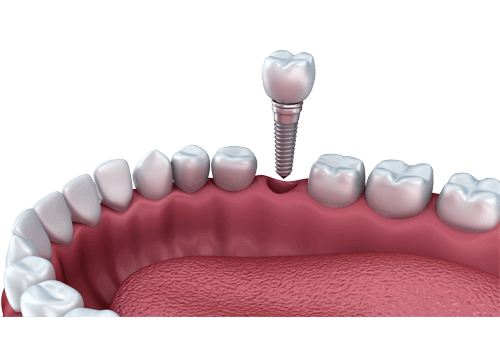
The dental implant surgery is a precise and minimally invasive Oral Surgery procedure. To ensure you are completely comfortable, it is performed under local anaesthetic, and options like IV sedation are available for anxious patients. The dentist will place the titanium implant screw into the pre-planned position in your jawbone.
Step 4: Healing and Restoration
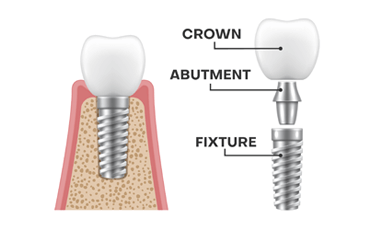
Following placement, a natural healing process called osseointegration begins, where the implant fuses with your jawbone. This healing time typically takes a few months. During this period, a temporary crown may be placed so you never have to go without a tooth. Once healing is complete, you will return to have your permanent, custom-made implant crown fitted, completing your stunning smile.
Advanced & Cosmetic Implant Solutions
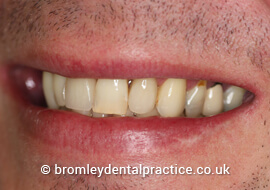
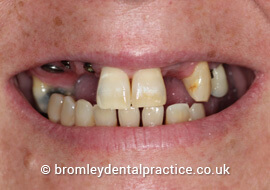
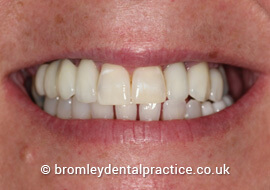
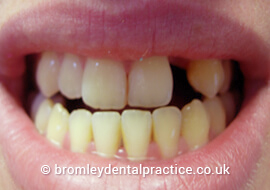
Modern implant dentistry offers solutions for every level of tooth loss, from a single missing tooth to an entire arch.
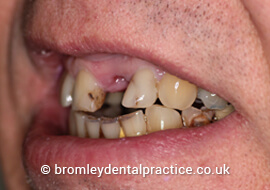
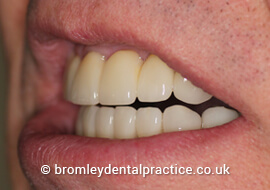
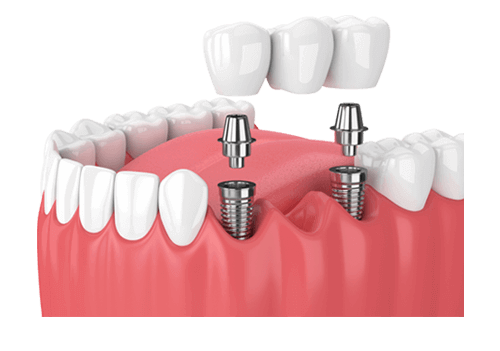
- All-on-4® Full-Arch Treatment: For those missing all or most of their teeth, All-on-4® full-arch treatment is a groundbreaking solution. This technique uses just four strategically placed implants to support a full, permanent bridge of replacement teeth, often in a single day (Same Day Dental Implants).
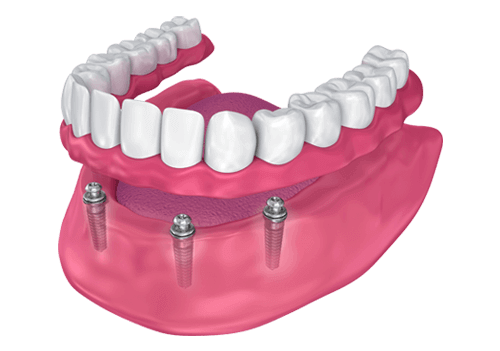
- Denture Implants: If you struggle with loose or uncomfortable dentures, denture implants can transform your experience. A few implants are placed in the jaw to act as anchors, allowing your denture to snap securely into place for renewed stability and confidence.
- Implants in a Smile Makeover: Dental implants are a cornerstone of cosmetic dentistry and can be integrated into a complete smile makeover package. They can be combined with other cosmetic dental treatments like Teeth Whitening (using systems like Boutique Whitening or Enlighten whitening), composite bonding, or porcelain veneers to achieve a truly transformative result.
Why Choose a Bromley Dental Practice for Your Implants?
Selecting the right dental practice is critical for a successful outcome. A leading practice in Bromley offers a combination of expertise, technology, and patient-focused care.
This approach is the best method in restorative and cosmetic dentistry. It offers a strong and good-looking solution. This solution is important for full dental care and protecting your oral health for a long time. Look for a practice that provides:
- Expertise and Specialisation: A team with an experienced Implant Dentist and specialists in general dentistry and specialist restorative dental care.
- Advanced Clinical Skill & Technology: The use of Modern dental and implant treatment technologies like a 3D CT scan is essential for precise planning and safe execution.
- Patient-Centred Dentistry: A philosophy built on holistic care and an exceptional dental experience, where patient care is paramount. This includes offering emergency appointments and taking the time to listen to your goals.
- Comprehensive Care: The convenience of having dental hygiene visits, periodontic treatment, and cosmetic options under one roof, with close collaboration between the dental team and expert laboratory technicians.


 It is quite difficult to put into words just how delighted I am with my new look.